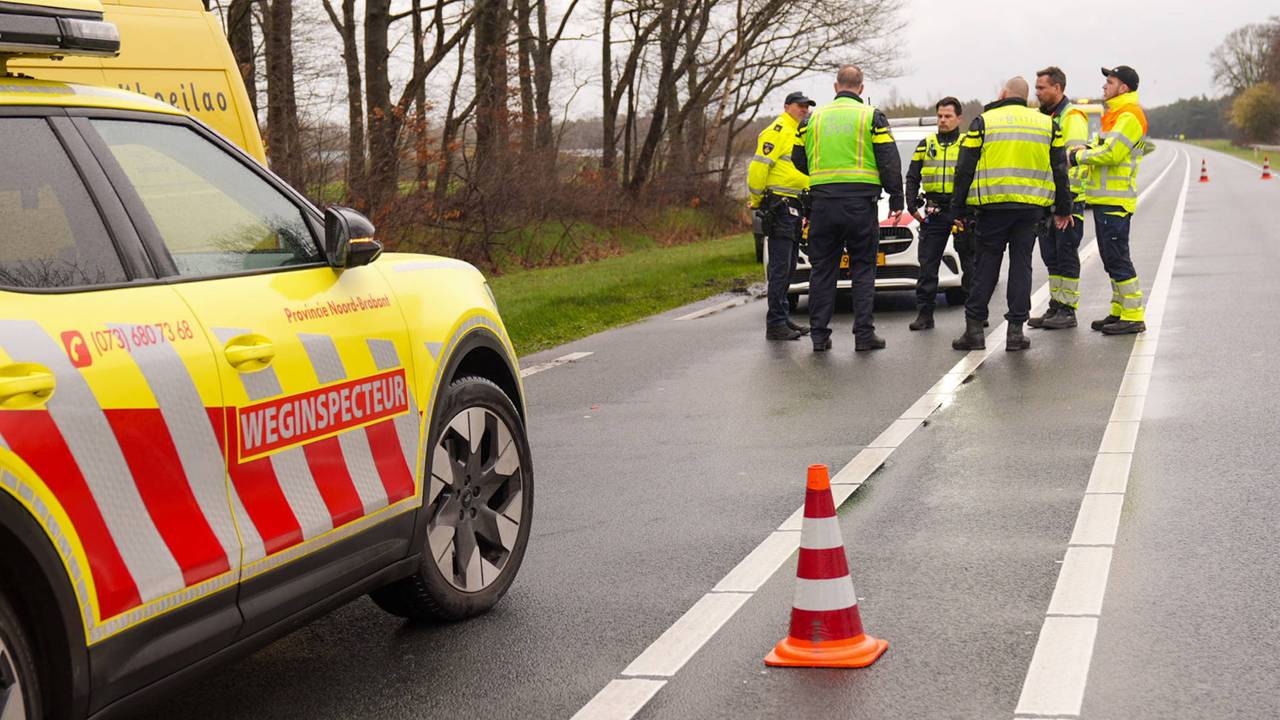
N279 Closed: Major Multi-Vehicle Crash at Heeswijk-Dinther Causes Delays
A serene Friday morning commute transformed into a scene of serious concern near Heeswijk-Dinther, as a major multi-vehicle collision brought the N279 to a standstill. Emergency services, including a trauma helicopter, were deployed en masse to the incident site, where multiple trucks, a delivery van, and several passenger cars were involved in a significant pile-up. This serious N279 accident today has led to the complete closure of the crucial provincial road between Veghel and 's-Hertogenbosch, causing extensive delays and demanding swift action from authorities. Initial reports confirm at least one person has sustained severe injuries, highlighting the gravity of the situation that unfolded on this busy stretch of road.
The incident, occurring during peak morning hours, underscores the inherent risks of road travel and the critical importance of immediate emergency response. As rescue and recovery operations are underway, the focus remains on ensuring the safety of all involved and restoring normalcy to the affected area. Motorists are urged to seek alternative routes and stay informed about traffic updates, as the N279 is expected to remain closed for a considerable period while investigations proceed and the wreckage is cleared.
Unfolding Chaos: Details of the Multi-Vehicle Collision
The scene on the N279 near Heeswijk-Dinther paints a stark picture of the collision's severity. Witness accounts and initial images from the site reveal a chaotic array of twisted metal and shattered glass, with vehicles extensively damaged. Among the involved were several large trucks, their immense size contributing to the scale of the incident, alongside a commercial delivery van and multiple private passenger cars. One particularly striking detail is a passenger vehicle that veered off the road and came to rest in the adjacent ditch, emphasizing the destructive forces at play.
The swift and substantial response from emergency services highlights the immediate recognition of the accident's gravity. Paramedics, fire brigade units, police, and specialized trauma teams converged on the location. The deployment of a trauma helicopter, a standard protocol for incidents involving severe injuries and multiple casualties, underscores the critical condition of at least one victim requiring advanced medical care. This level of response is reserved for the most serious incidents, ensuring that highly skilled medical personnel can be rapidly brought to the scene, often directly airlifting patients to specialized hospitals.
While the exact sequence of events leading to the multi-vehicle crash remains under investigation, the sheer number of vehicles involved suggests a complex scenario, possibly triggered by a sudden event, adverse conditions, or a momentary lapse in judgment. The authorities have sealed off the area to allow forensic teams to meticulously reconstruct the accident, a process that is crucial for determining the cause and preventing similar occurrences in the future.
Impact on Traffic and Commuters: N279 Closure and Diversions
The closure of the N279 between Veghel and 's-Hertogenbosch has had an immediate and significant impact on local and regional traffic flow. As a vital artery connecting these key areas in Noord-Brabant, its unexpected shutdown has forced thousands of commuters and commercial transport operators to seek alternative routes. The resulting congestion on surrounding roads and highways, including the nearby A2 motorway, is inevitable, adding considerable delays to travel times.
Motorists planning to travel through or near the Heeswijk-Dinther area are strongly advised to consult real-time traffic updates from sources like ANWB or local traffic news services before embarking on their journey. Patience will be paramount, as the road is expected to remain inaccessible for an extended period, potentially stretching into the afternoon or evening. This duration is necessary not only for the complex rescue and recovery operations but also for the thorough accident investigation and the subsequent clearing and safety checks of the road surface.
Recommended Actions for Drivers:
- Check Traffic Updates: Before leaving, consult live traffic apps or radio broadcasts.
- Plan Alternative Routes: Consider using the A2, or exploring smaller regional roads if familiar, but expect these to also be congested.
- Allow Extra Travel Time: Factor in significant delays for any journey through the affected region.
- Maintain Calm: Road rage can lead to further incidents; remain patient and follow official diversions.
For more detailed information on road closures and their impact, you can refer to our article:
Serious N279 Accident: Multiple Vehicles, Injuries, Road Closed.
The Role of Emergency Services and Accident Investigation
The coordinated response to an incident of this magnitude involves a complex interplay of various emergency service branches. The fire brigade plays a crucial role in extricating trapped individuals from damaged vehicles, often using specialized cutting and spreading tools. Paramedics and medical personnel provide immediate first aid and stabilize injured parties before transport. The police secure the scene, manage traffic flow, gather witness statements, and lead the comprehensive accident investigation.
The presence of a trauma helicopter, as seen in this N279 accident today, is a clear indicator of the potential for life-threatening injuries. These air ambulances are staffed by highly experienced medical teams, capable of performing advanced medical procedures directly at the scene, significantly improving outcomes for critically injured patients by reducing transport time to specialized trauma centers. Learn more about their critical role here:
Trauma Helicopter Deployed: Severity of N279 Crash Near Veghel Unfolds.
The accident investigation itself is a methodical process. Teams collect evidence, including vehicle debris, skid marks, road conditions, and photographic documentation. They also analyze vehicle data recorders (if available) and interview witnesses and involved parties. The goal is to determine the exact cause – whether it was human error, a mechanical failure, road conditions, or a combination of factors – and to contribute to broader road safety initiatives by identifying trends and recommending preventive measures. This process is painstaking and takes time, which is why the cause is often not immediately known.
Navigating Road Incidents: Tips for Drivers and Witnesses
Road incidents, especially multi-vehicle crashes like the one on the N279, serve as a potent reminder of the fragility of life and the importance of road safety. While we hope never to be directly involved, knowing how to react can make a significant difference.
Practical Tips for Drivers Near an Incident Scene:
- Stay Alert: Always pay attention to road signs, traffic signals, and the flow of traffic.
- Slow Down: If you see flashing lights or signs of trouble ahead, reduce your speed immediately and safely.
- Maintain Distance: Keep a safe following distance from the vehicle in front of you. This gives you more time to react to sudden changes.
- Avoid Distractions: Put away your phone, eat before you drive, and focus solely on the road.
- Follow Instructions: Obey all commands from emergency personnel and traffic controllers. Their priority is safety and order.
- Do Not Rubberneck: Staring at an accident scene can distract you and lead to secondary accidents. Keep your eyes on the road ahead.
What to Do if You Are Involved in an Accident:
- Ensure Safety: If possible, move your vehicle to a safe location (shoulder of the road) and activate your hazard lights. If it's unsafe to move, stay in your vehicle with your seatbelt on.
- Check for Injuries: Assess yourself and your passengers for injuries. If anyone is injured, call emergency services (112 in the Netherlands) immediately.
- Call Emergency Services: Even if there are no apparent injuries, serious accidents involving multiple vehicles or significant damage should always be reported to the police.
- Exchange Information: Safely exchange contact, vehicle, and insurance information with all other drivers involved. Do not admit fault at the scene.
- Document the Scene: Take photos or videos of the accident scene, vehicle damage, and any relevant road conditions. This can be invaluable for insurance claims and investigations.
- Seek Medical Attention: Even if you feel fine, it's wise to get checked by a medical professional after an accident, as some injuries may not be immediately apparent.
By adhering to these guidelines, we can collectively contribute to safer roads and more effective responses to unfortunate incidents.
The major N279 accident near Heeswijk-Dinther serves as a sober reminder of the unpredictability of road travel. While the N279 remains closed and investigations are ongoing, the focus is firmly on the recovery of those injured and the diligent work of emergency services. We extend our thoughts to all affected by this serious incident. As updates become available, they will be communicated by official channels. In the meantime, drivers are urged to exercise extreme caution, plan their journeys wisely, and prioritize road safety above all else.